

A monthly payer I’ve been tracking just raised its distribution 15.78% over the past year. The share price went UP about 15% over the same stretch, and the fund beat the S&P 500 on total return, which almost never happens with an option income ETF.
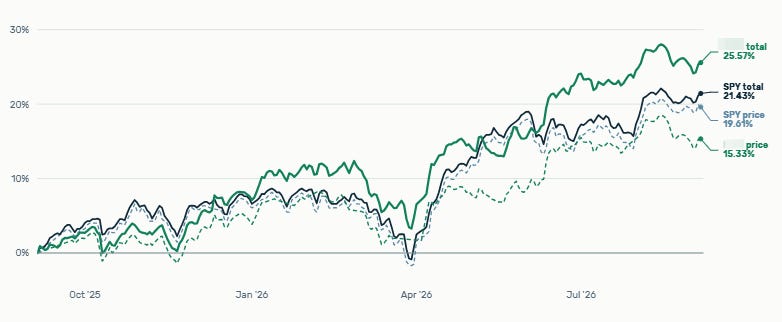
Most high yield funds pay you by slowly handing back your own capital. The payout shrinks, the share price bleeds, and you end up with less money working for you every year. This fund does the opposite, and the reason comes down to how it writes its calls.
The NAV HAS INCREASED here— which is why I’m excited to share it with you all.
I ran a backtest on it. $50,000 at launch with every payment reinvested grew annual income from $4,777 to $6,024 in two years, without adding a single dollar. It yields about 8.75% and pays monthly, and paid subs get the ticker, the holdings and the tax breakdown below. I went through the wider group of these funds in I Analyzed 10 Option Income ETFs.
👉 Upgrade Your Subscription for $0.82 a day and get every buy alert first, plus the funds paying my bills.
Why Most Monthly Payers Shrink
A typical option income fund buys a basket of stocks and then sells call options against those exact stocks. Each call hands away the gains above a set price, so when the market runs, the fund pockets a premium and gives up the rally. That trade works well in a flat year and badly over several, because the share price gets stuck while the payouts keep drawing down capital.
The problem is that the yields offered by these income ETFs are often times unsustainable. This is where NAV erosion comes in.
This fund has INCREASED ITS NAV since inception and total AUM continues to rise because of the success.
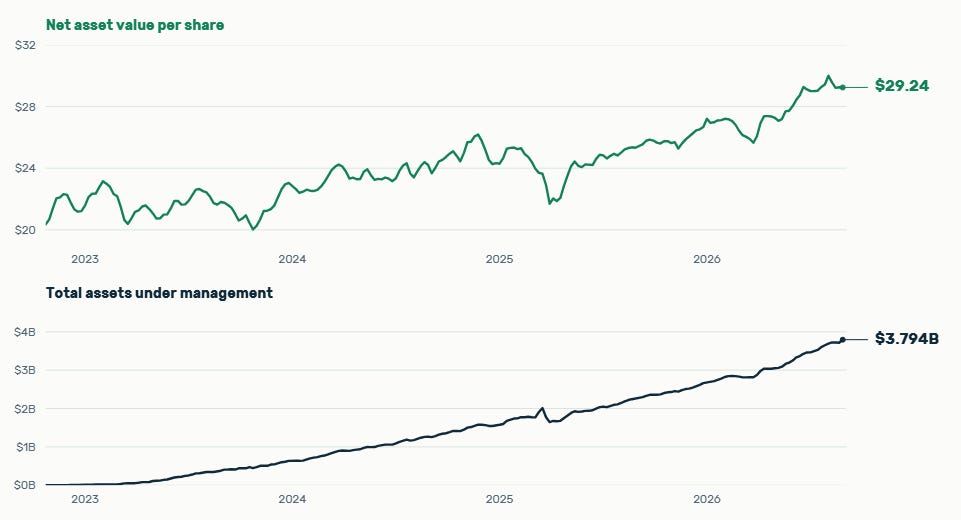
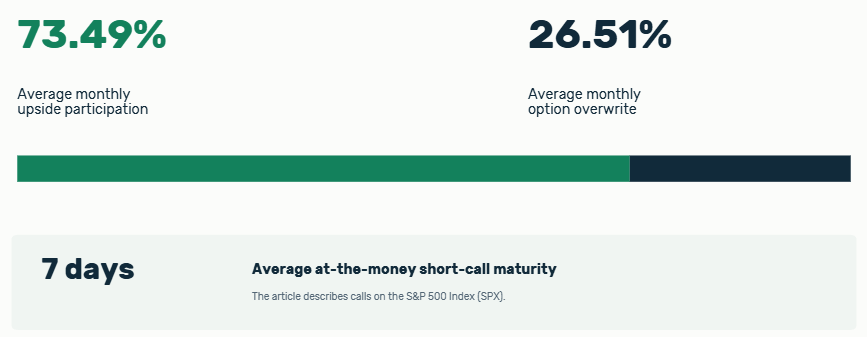
Two design choices account for that gap. It caps far less of its upside than its peers do, and it owns stocks chosen because they keep raising their own dividends.
For instance, it was determined that this fund was still able to capture ~73% of the monthly upside of the market, unlike most other option ETFs.
The fund also offers a starting dividend yield of about 8.7%.
So $10,000 invested will earn you about $870 annually.
$100,000 invested earns you $8,700 annually.
$1M invested earns you $87,000 annually. You get the idea.
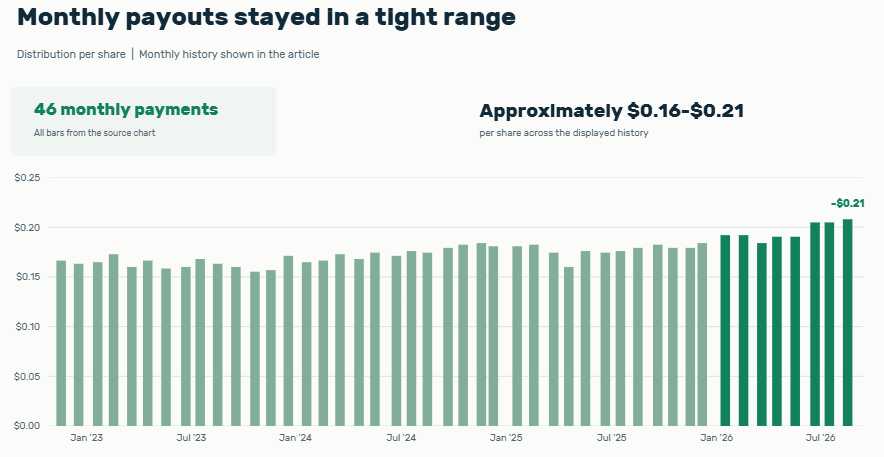
The monthly distribution grew 15.78% over the past year and 6.86% a year across three years, according to stockinvest.us, with the June payment coming in at $0.204 a share. The fund has an excellent track record of keeping distributions within a tight range. So if you care about income stability, this would be a great fund to consider.
The fund we’re highlighting today is the…