

Somewhere right now a procurement manager is signing a purchase order for DDR2 memory, a product that was state of the art when the first iPhone didn’t exist yet, and paying 55 to 60% more for it than he did last quarter. According to TrendForce, that is happening across the industry because the three companies that make memory have pulled their factories toward the AI chips that pay the most, leaving everyone else scrambling for whatever old inventory still exists.
Memory stocks went vertical earlier this year and have since pulled back hard, and the reason the setup still works is that the shortage has stopped being a price spike and become a schedule. The companies that make memory have sold next year’s output already, the new factories don’t produce until 2028, and the biggest customers have said publicly that they need more memory per chip in 2027 than they use today.
One fund owns the memory maker, the companies that build memory factories, AND the companies buying all the memory, in roughly equal weights, and it pays out every week. The shortage comes first, then the fund.
👉 Upgrade Your Subscription for $0.82 a day and get every buy alert first, plus the funds paying my bills.
What A Shortage Looks Like On An Invoice
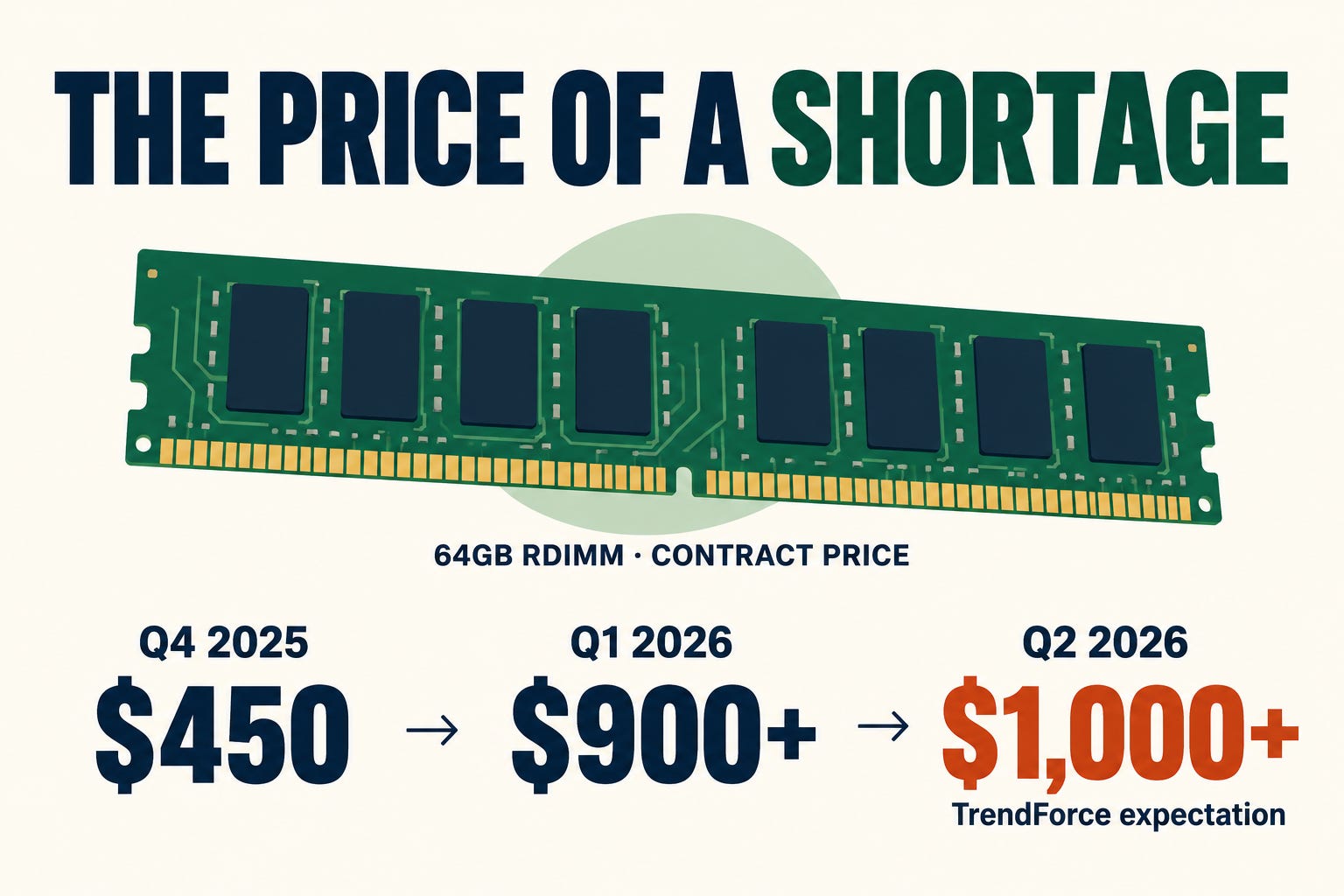
The clearest way to see this is one part number. A 64GB server memory module cost about $450 in the fourth quarter of 2025. By the first quarter of this year it was over $900, and TrendForce data expected it above $1,000 by the second quarter.
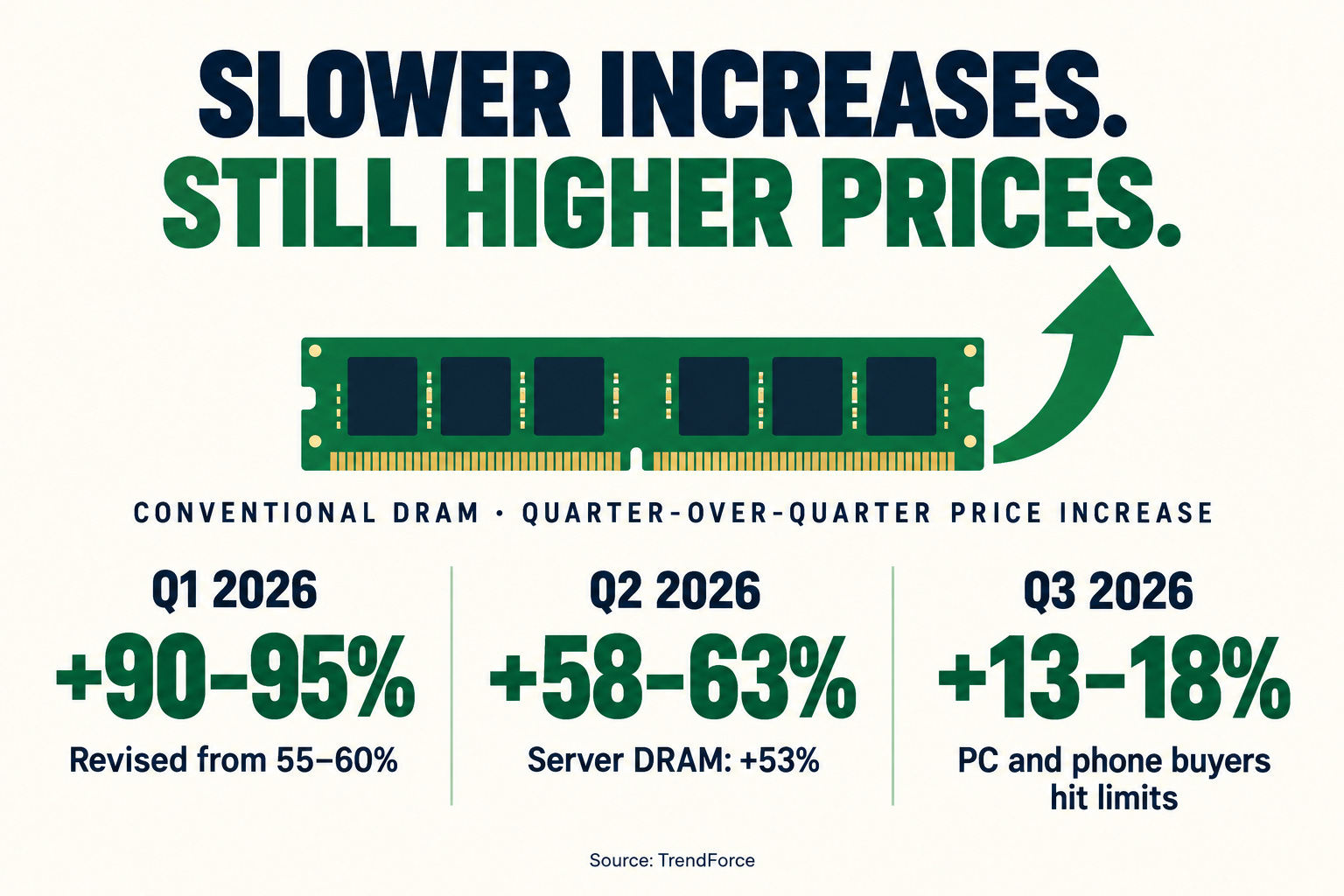
TrendForce started the year expecting conventional DRAM contract prices to rise 55 to 60% in the first quarter, then revised that to 90 to 95% once the negotiations actually closed. The second quarter added another 58 to 63% on top. By the third quarter the increase slowed to 13 to 18%, and the reason it slowed is telling. PC and phone makers reached the limit of what they could pay and started walking away from orders.
Suppliers are behaving the way you'd expect when they hold every card. Samsung went into third-quarter talks asking for up to another 20%, and some memory quotes now expire after 72 hours because sellers don't want to lock a price they think will be higher next week. That is a market where the seller has stopped guessing and started dictating.
Conventional DRAM reprices every quarter, which is why you've already seen it double. High bandwidth memory, the kind stacked directly onto AI accelerators, reprices once a year. The 2026 HBM contracts were signed before the squeeze fully hit, so the price everyone is paying today reflects last year's market.
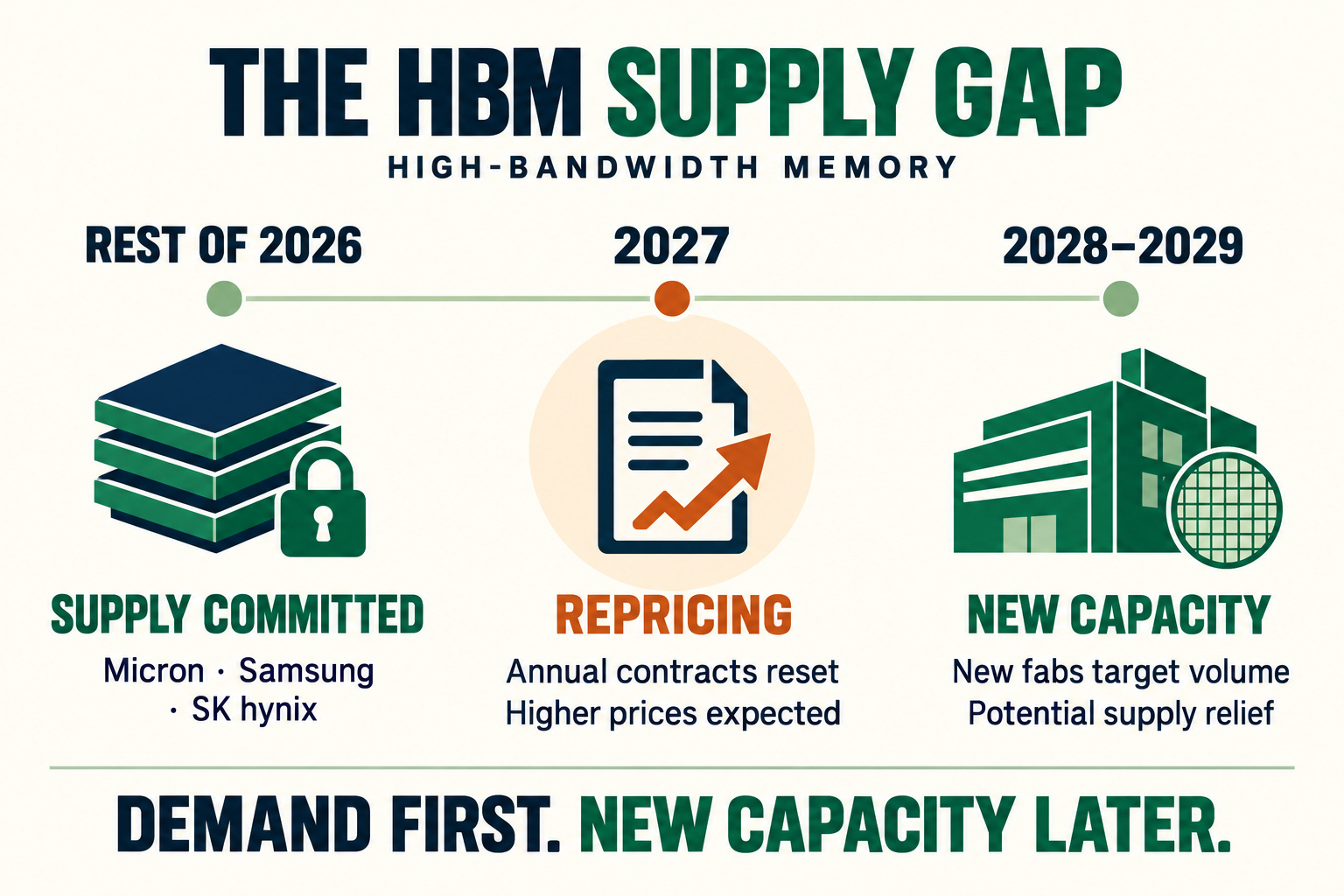
Those 2027 agreements are being negotiated right now, and TrendForce’s September bulletin describes them as deadlocked, with buyers and sellers still arguing over specifications while prices retain what it calls substantial room to grow. Its June research went further and said HBM contract prices could move multiples higher when the 2027 agreements land.
Demand steps up at the same time. Nvidia’s Rubin Ultra platform, due in 2027, carries 384GB of HBM per GPU against 288GB on the current generation, and the custom AI chips that Google and others are deploying are scaling up their memory content too. So the buyers need more memory per chip, the contracts reprice into a shortage, and the factories that would fix it don’t reach volume until 2028 or 2029 according to SK hynix’s own expansion timeline.
The exact price matters less than the gap between when demand rises and when supply arrives, and every published date puts that gap at two years.
Getting Paid On Both The Problem And The Fix
Owning a single memory maker means betting on which one wins the most HBM share, and that answer has flipped between the big three more than once. Owning only the chipmakers that buy memory means eating the cost increase. One fund does neither, because it holds every side of this at once.
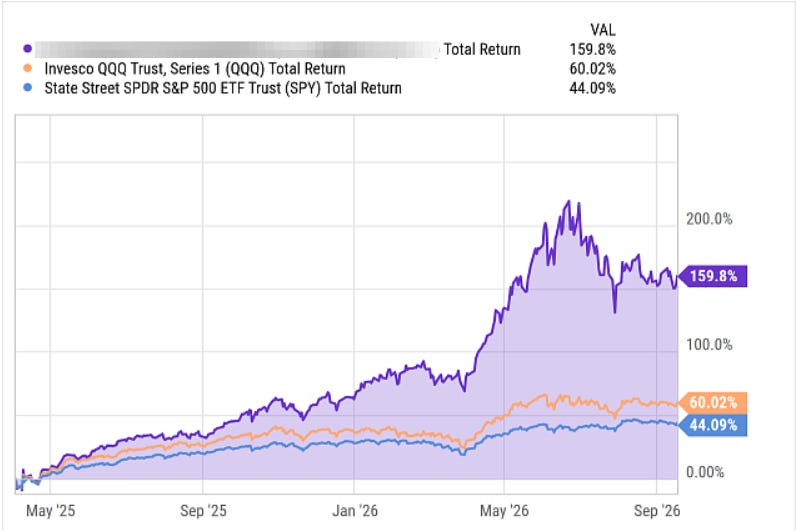
This fund has outperformed the S&P 500 SPY 0.00%↑ and Nasdaq-100 QQQ 0.00%↑ since inception.
It owns Micron, which collects when prices double. It owns Lam Research and KLA, which sell the equipment every new memory fab is built with, so they get paid when the industry tries to fix the shortage. And it owns Nvidia, Broadcom and AMD, which pass higher memory costs into accelerators customers are lining up to buy anyway. Roughly 25 names at near-equal weights, so no single bet dominates.
Then it sells call spreads against those holdings and pays out the premium every week. Semiconductors have been the most volatile corner of the market this year, and volatility is exactly what an option seller gets paid for. The more the memory debate whipsaws these stocks, the fatter the weekly check.
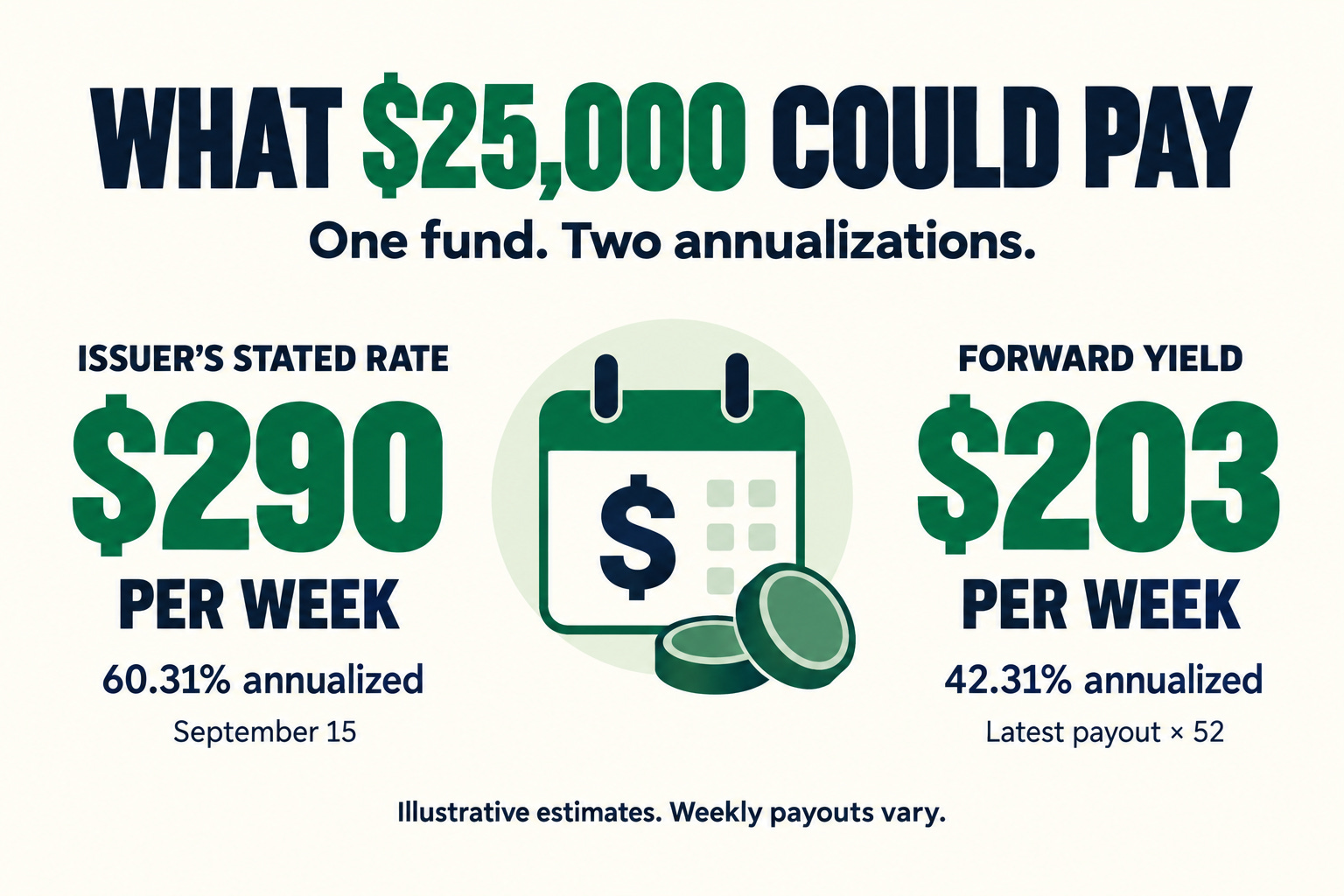
That's $200 to $290 every week on a $25,000 position, arriving whether the memory stocks are up or down that week. The ticker, the holdings, and what that income actually costs are below the line.
