

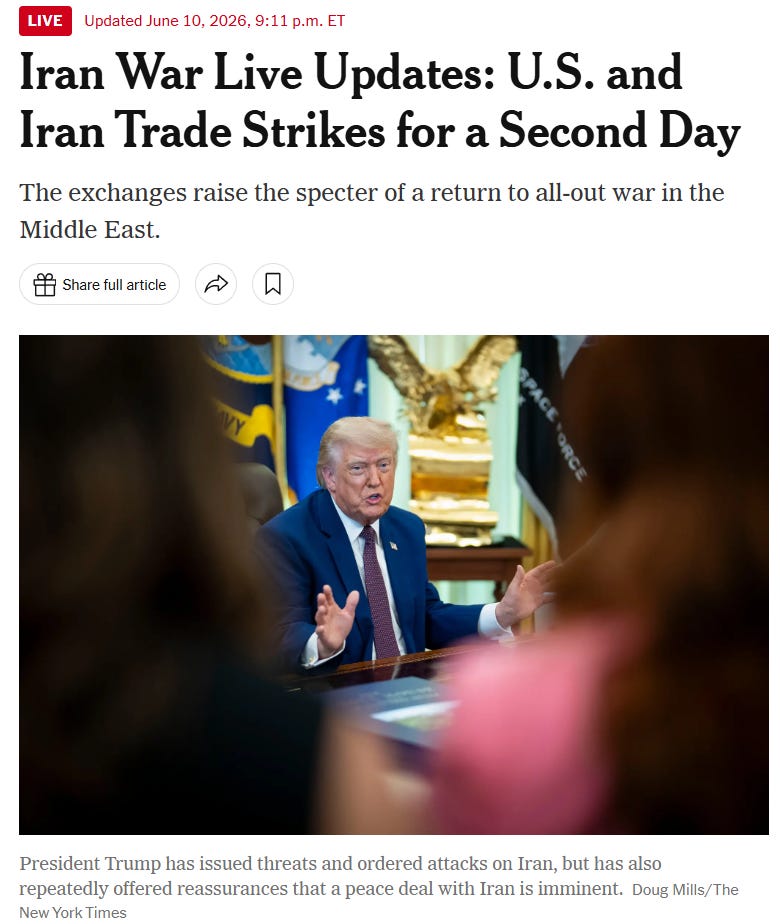
When the market drops, most portfolios just bleed. With a renewed escalation in the Iran conflict, the market is falling once more. The fund I will be highlighting today is LOW RISK. This means that it has a higher odds of protecting your capital during a decline.
The investors who come out the other side with their wealth intact are the ones who structured their portfolios before the downturn arrived. Not after. They held positions that held their ground while everything else was sliding, collected dividends the entire time, and came out of the chaos with more shares and a lower average cost than when they went in.
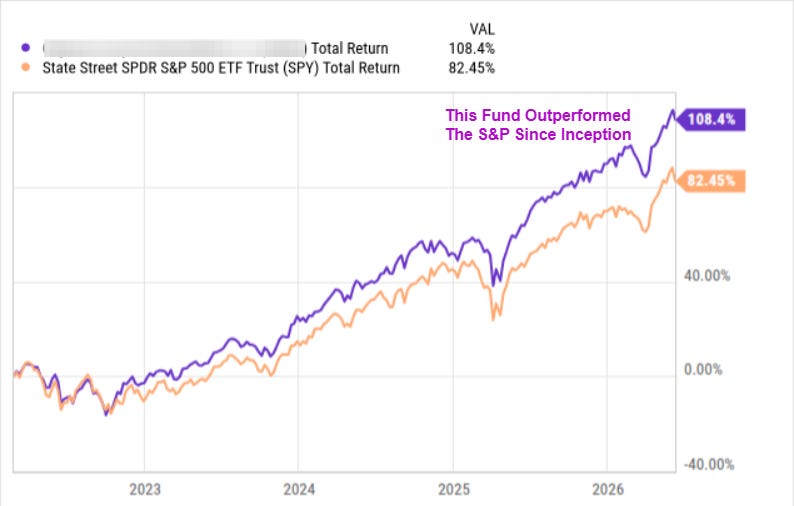
That is what building a recession-proof structure actually looks like in practice. And the fund I am covering today is one of the clearest examples of it I have come across. Since launching in early 2022, it has navigated rate hikes, a regional banking crisis, an AI selloff, and an active military conflict in the Middle East, all while outpacing the S&P 500 by 26 percentage points. During the worst of the 2026 market volatility, it held up significantly better than the broader indices.
Investors who actually build life-changing passive income are not the ones chasing the highest yield on day one. They are the ones who found companies and funds that kept raising their payouts year after year, so that the income stream they bought at 1.5% is now paying them 6%, 8%, 10% on the same original dollars. The yield did not change on paper.
Their yield on cost did.
Dividend stocks are great because when you select the right ones, they raise your payouts year-after-year. When your job doesn’t give you a raise, you can count on quality dividend stocks to give you one.
First, the market context right now
This is not a normal week. The SpaceX IPO prices tomorrow at $135 a share with a $1.75 trillion target valuation, making it the largest IPO in history. Goldman Sachs is leading 21 banks on the deal. Retail investors are allocated 30% of the float, which is three times the usual amount for a mega-cap offering.
Here is the problem. Buying SPCX means selling something else first. Analysts are already flagging that retail selling flows to fund SpaceX purchases could create massive dislocations across current holdings, especially in tech-heavy names. We got a preview of this last Friday when chip stocks were hit hard with no obvious fundamental reason.
On top of that, Iran. Nuclear talks have reached a critical point in early June. Iran’s supreme leader declared US military bases in the Middle East are no longer safe. The Strait of Hormuz risk is real and active. Earlier in the year, during the March escalation, the S&P 500 wiped its entire year-to-date gains in a single session. We have since recovered, but the situation is live.
This kind of double uncertainty, a massive capital rotation event on top of a live geopolitical risk, is exactly the environment where the character of a fund gets revealed. CGDV has held up well through every version of this kind of chaos since it launched.
👉 Upgrade Your Subscription - $0.82 per day to become a better investor. Paid subs get buy alerts first.
This Fund Is Different
Most dividend ETFs screen for yield first. If a company does not pay above a certain threshold, it gets excluded. That sounds sensible for income investors, but it ends up filtering out some of the best-compounding companies in the market.
This fund takes a different approach. The active managers look for two types of companies:
Those that already pay a dividend.
Those with the balance sheet and free cash flow to pay one in the future.
That second category is the unlock. NVIDIA, Microsoft, Meta, Amazon, and Alphabet all live inside this fund. A traditional dividend ETF would have rejected every single one of them.
The fund I am talking about is the…
