

Everyone is scared of a crash. I’m focused on how to turn this “Tech Supercycle” into a weekly paycheck.
The S&P 500 is hovering near all-time highs. Tech stocks like Nvidia NVDA 0.00%↑ and Palantir PLTR 0.00%↑ are on massive runs. Your cautious uncle probably told you at Thanksgiving that this feels exactly like 1999 and a crash is coming any day now.
Maybe he’s right. Maybe he’s wrong.
But I view the market through a different lens. I don’t look for doom. I look for cash flow.
While the skeptics sit on the sidelines earning 4% in a savings account, I believe we are entering a “Golden Age” of capital efficiency. The data for 2026 suggests the market isn’t just going up on hype. It’s going up on profits.
In this outlook, I’m going to break down why I believe the S&P 500 could target $7,660 by 2026. More importantly, I’m going to show you the specific “Income Engine” I’m building to siphon that growth directly into my bank account to pay for groceries, mortgages, and vacations.
The “Profitable Bubble” Thesis
The comparison to the Dot-Com bubble misses one crucial detail. In 2000, tech companies had no revenue. In 2025, tech companies are the most profitable businesses in human history.
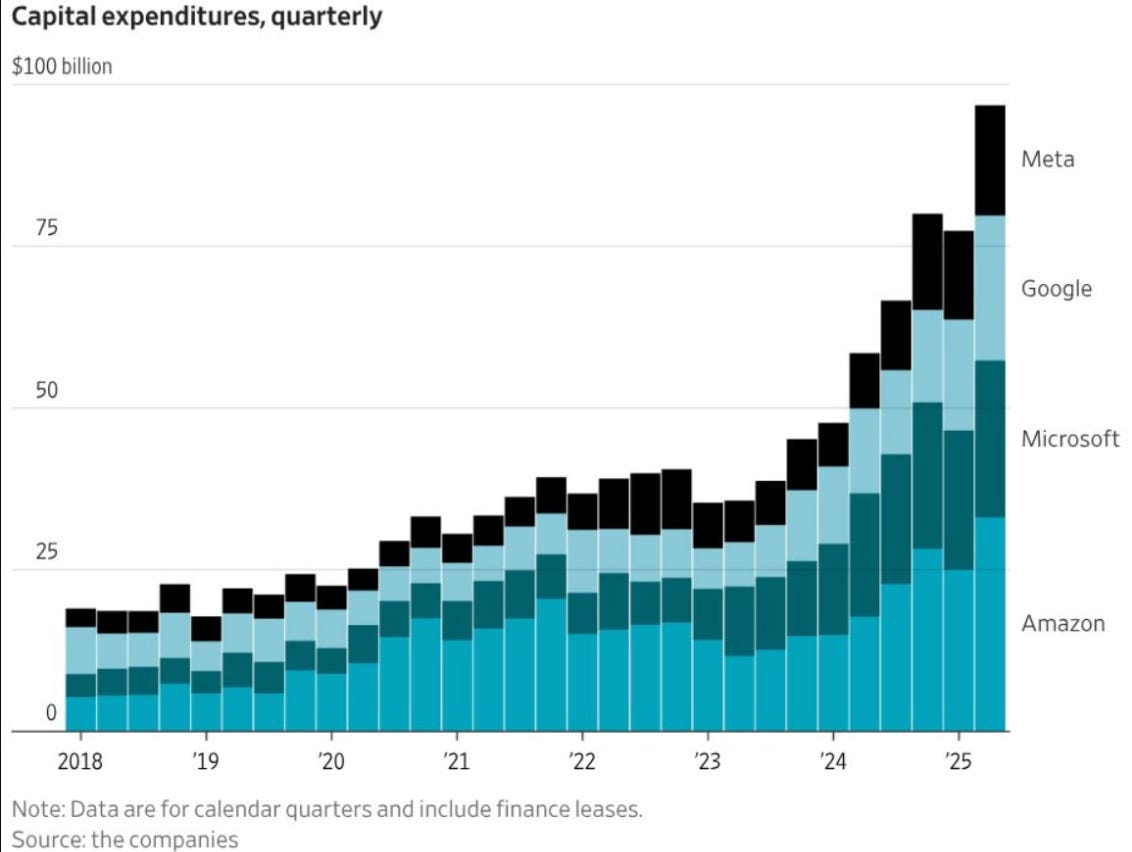
We are seeing a massive “Capex Supercycle.” Companies like Meta META 0.00%↑, Amazon AMZN 0.00%↑, and Microsoft MSFT 0.00%↑ are spending billions on AI infrastructure. Skeptics see this as waste.
I see it as building the railroad for the next decade of commerce. Remember, most people are generally wrong when it comes to the markets. So if the sentiment is skepticism, you should dig deeper to determine what the data actually says.
The Efficiency Engine
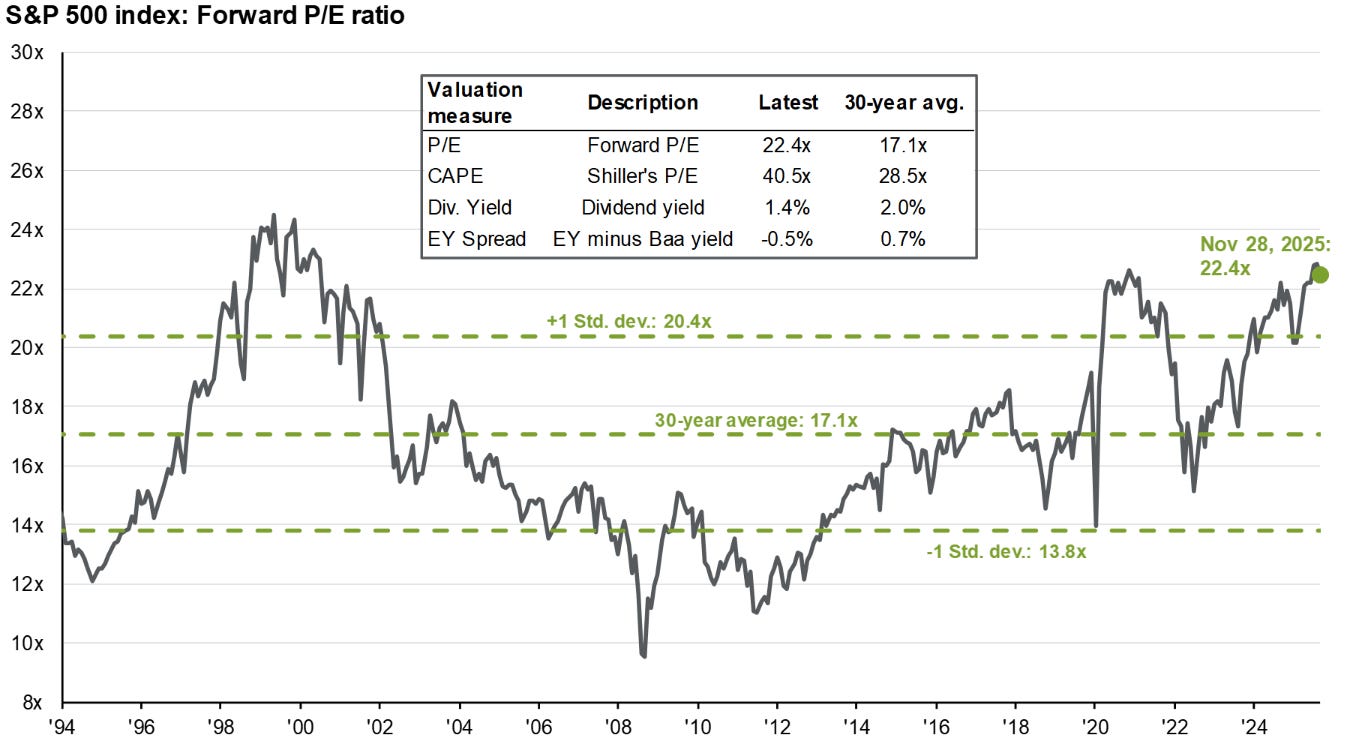
The reason valuations are high in the S&P 500 (trading at roughly 22x forward earnings vs the historical 17x) is because margins are expanding. AI is allowing companies to do more with less. Companies are cutting costs, growing profits, and operating margins continue to improve every quarter. So wouldn’t a higher valuation be warranted?
Klarna KLAR 0.00%↑ recently revealed its AI agent is doing the work of 853 employees. This saves the companies millions in payroll expenses.
Duolingo DUOL 0.00%↑ uses AI to generate course content, pushing gross margins to 72%.
When companies cut costs using AI, their bottom line explodes. As dividend investors, we want to own the equity of companies that are becoming money-printing machines. This is why I continue to release buy alerts for several growth companies that are aligned to outperform markets in 2026.
Don’t Just Watch the Tech Rally. Tax It.
Most retail investors buy an index fund and wait 30 years to touch the money. That doesn’t change your life today. That doesn’t upgrade your car or pay for your daughter’s wedding.
My strategy for 2026 is different.
I want to convert this “Tech Growth” into “Lifestyle Cash.”
To do this, I am utilizing a specific basket of Option Income ETFs that monetize the volatility of the tech sector. Think of this as placing a toll booth on the AI revolution. Whether the market rips higher or chops sideways, these funds are designed to extract cash from the movement.
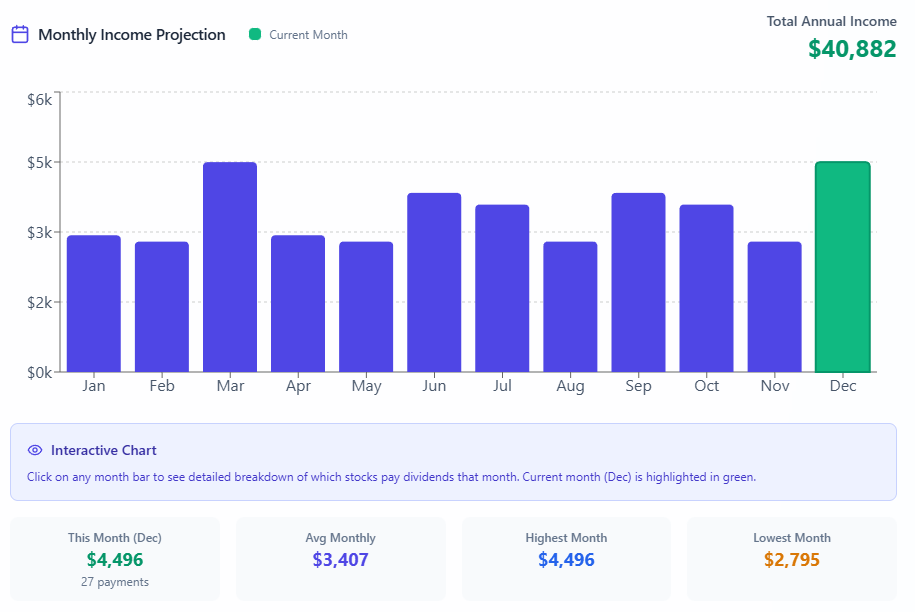
This strategy has allowed me to collect an average of $3,400 per month in dividends. You can track your monthly income with the Yieldly Dashboard, which comes with a paid subscription.
Here are the three tickers I am using to turn the 2026 bull market into a paycheck.
1. The Growth Engine GPIQ 0.00%↑
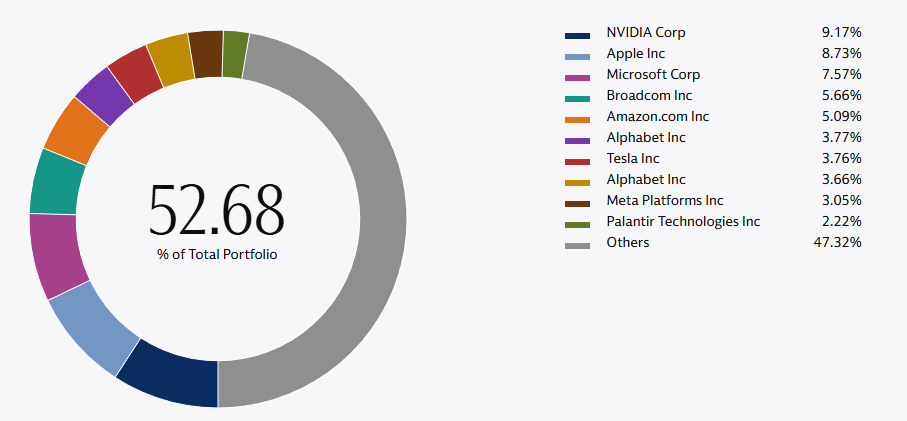
If we believe the Nasdaq is heading higher in 2026, we need exposure to the underlying giants like Nvidia, Apple, and Microsoft. GPIQ now offers a dividend yield of 9%, paid out every month!
👉 $10,000 invested = $900 in annual dividend income.
Goldman Sachs Nasdaq-100 Core Premium Income (GPIQ) is my “Institutional Grade” anchor. It holds the actual tech stocks but sells options on them to generate yield. So an investment in GPIQ essentially means that you are getting direct exposure to constituents of the Nasdaq-100. You would be holding the best companies in the world!
The secret sauce here is their “dynamic” strategy. If the market rips higher (as I predict it will), they sell fewer calls to let us capture that upside. If the market stalls, they sell more calls to pay us income. It keeps me invested in the AI trend while paying a monthly distribution that beats almost any bond on the market.
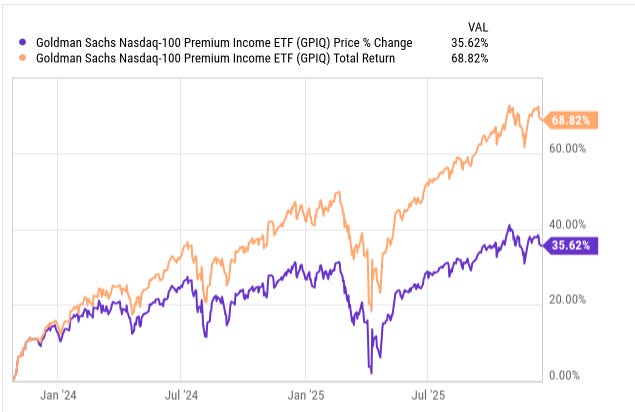
Since GPIQ’s inception, the share price has increased by more than 35.6%! When including all dividends paid, the total return jumps up to 68.8%! So GPIQ allows you to get the best of both worlds: growth and income generation.
2. The Yield Monster QDTY 0.00%↑
This is for the aggressive income seeker. YieldMax Nasdaq Option Strategy (QDTY) doesn’t just hold stocks. It utilizes a synthetic strategy to harvest the extreme volatility of the Nasdaq-100.
QDTY offers WEEKLY dividends and has a dividend yield of nearly 33%!

👉 $10,000 invested = ~$3,300 in dividends received.
Want to get your dividend journey started? You can get the dividend starter bundle so that you can skip the mistakes that I made.
👉 Here is what’s included:
✅ The Dividend Blueprint (PDF)
A step-by-step guide showing how I structure my portfolio, grow monthly cash flow, and reinvest for long-term income.✅ Monthly Dividend Map
50+ hand-picked tickers that pay monthly so you can ladder your income all year long.✅ Dividend Tracker (Google Sheet)
The exact spreadsheet I use to track yield, forward income, reinvestment, and portfolio growth.✅ Dividend Growth Legends: 50+ Stocks - Free eGuide
50 stocks that have an established history of dividend increases.✅ List of ETFs for Beginners To Start With
👉 Upgrade to a paid membership to view the full article list!
The tech sector is volatile by nature. For most investors, volatility is scary. For QDTY, volatility equals higher option premiums. As long as the “AI Bubble” creates price swings (up or down), QDTY generates massive distributable cash. I use this position specifically to pay immediate, short-term bills.
3. The Weekly Paycheck WPAY 0.00%↑
Dividends usually come quarterly. Bills come monthly. Groceries come weekly.
Roundhill Weekly Pay ETF (WPAY) solves the cash flow timing problem. It focuses on consistent, weekly distributions derived from the strategic use of leverage.
WPAY now offers a dividend yield above ~57%.
👉 $10,000 invested = $5,700 in dividends received.
What makes WPAY unique is that it includes ALL of Roundhill’s weekly paying ETFs. The great thing about these ETFs are that they directly hold the common shares of these companies. So an investment in WPAY means that we get amplified exposure to companies like Meta, Robinhood HOOD 0.00%↑, Berkshire Hathaway, Coinbase COIN 0.00%↑, and Tesla TSLA 0.00%↑, just to name a few.
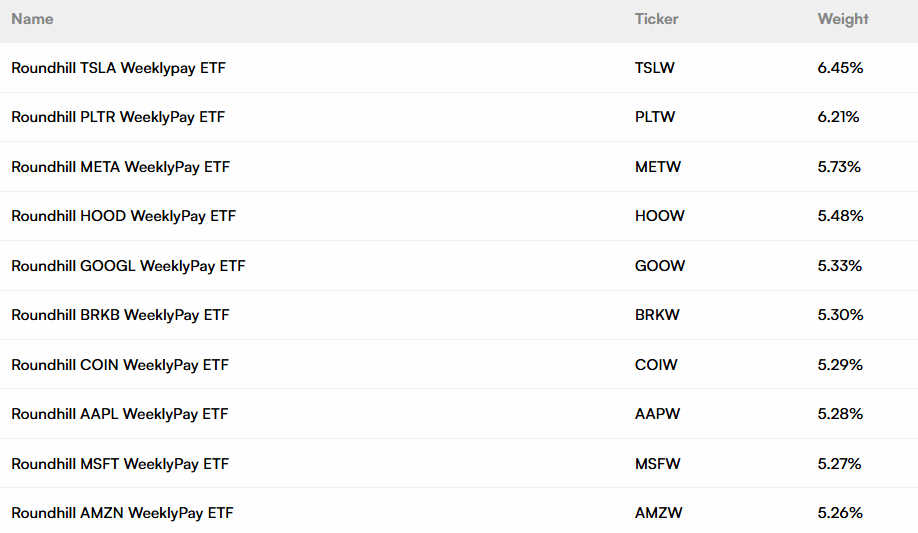
WPAY is likely to see very strong returns if market indexes continue to trend higher over 2026.
The Takeaway: Dividends Create Freedom
The skeptics can argue about P/E ratios and bubbles all day. While they argue, we get paid.
By positioning ourselves in GPIQ, QDTY, and WPAY, we are ensuring that the massive profits of the AI revolution don’t just sit on a balance sheet in Silicon Valley. They land in our pockets.
2026 is shaping up to be a profitable year. Make sure you’re positioned to collect your share of it.
Thanks for this breakdown!