

I collected a five figure sum in dividends last year. A meaningful chunk of it never showed up as taxable income when I filed, because of one line buried in the tax documents that most income investors skip past:
👉 Return Of Capital.
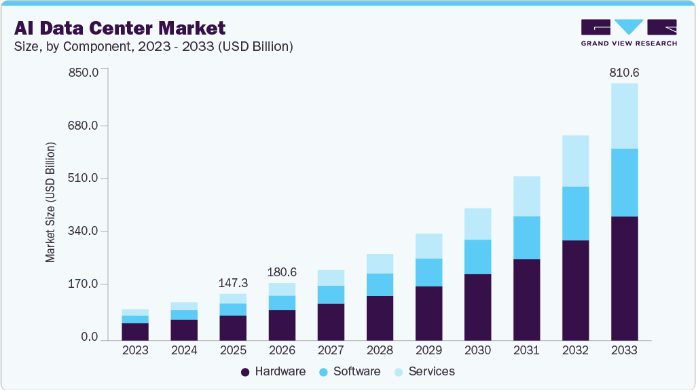
Two funds are at the center of this. One is already in my portfolio, and I gave it a buy rating months ago. Since that post, the position is now up 14%. With the estimated growth of the AI Data Center market, I think this first position will continue to do very well.
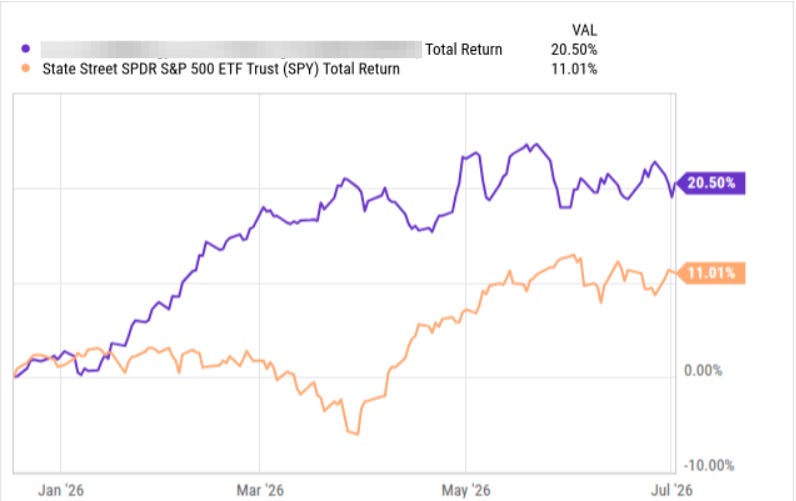
Since its inception, fund #1 has outperformed the S&P 500 index by a wide margin. However, the fund’s history here is VERY short so keep that in mind.
The second fund is brand new, and I am watching it closely before deciding whether to add it. This second fund offers a 13.5% dividend yield, while issuing those payouts on a monthly basis.
Today I want to walk through how both of them actually work, why the IRS treats their payouts differently than a normal dividend, and why that distinction is worth understanding before you chase any high yield fund.
Both funds classify most of their monthly distributions as return of capital, not ordinary income.
One fund has years of real distribution history behind it, and it is the one I actually own. The other launched in May 2026 and was engineered for this outcome from day one, but I have not added it yet.
Return Of Capital
Return of capital is a tax classification and it get’s a bad rep. Traditionally, return of capital is usually defined as when a fund fails to produce enough income to support dividends, so it pays you that dividend by returning your capital back to you.
However, this isn’t always true.
A fund can generate plenty of real economic income and still have some or all of a distribution classified as ROC, because of how that income is treated for tax purposes rather than how much of it actually exists. Depreciation on physical assets, the tax treatment of certain option contracts, and timing differences between when income is earned and when it is recognized for tax reporting can all push a distribution into ROC territory even when the fund’s underlying earnings fully support the payout.
When any portion of a distribution gets classified this way, the IRS treats it as a return of your own invested capital instead of taxable income, and lowers your cost basis instead of taxing you on it right away.

Here is the simple version. You buy shares at $10. The fund pays you $1 classified as ROC. Your cost basis drops to $9. You owe nothing on that dollar today. When you eventually sell, your gain gets calculated against that lower basis, which means the tax bill shows up later, and potentially at the more favorable long term capital gains rate instead of your ordinary income rate.

That is the entire mechanism. Cash in your account today, tax bill deferred, sometimes for years, sometimes permanently if the shares get passed to an heir and receive a stepped up basis at death.
The part most people get wrong is assuming ROC means the fund is quietly handing back your own money because it has nothing else to pay you with. Sometimes that is true, and it is worth checking. But in the two funds I am covering today, the ROC comes from the structure itself, not from a shortfall.
I am going to name both funds below and break down exactly how each one earns its ROC treatment. Paid subscribers get the tickers, my actual entry price in the fund I own, and the specific reason I have not added the second one yet.
Fund #1: The One With A Track Record
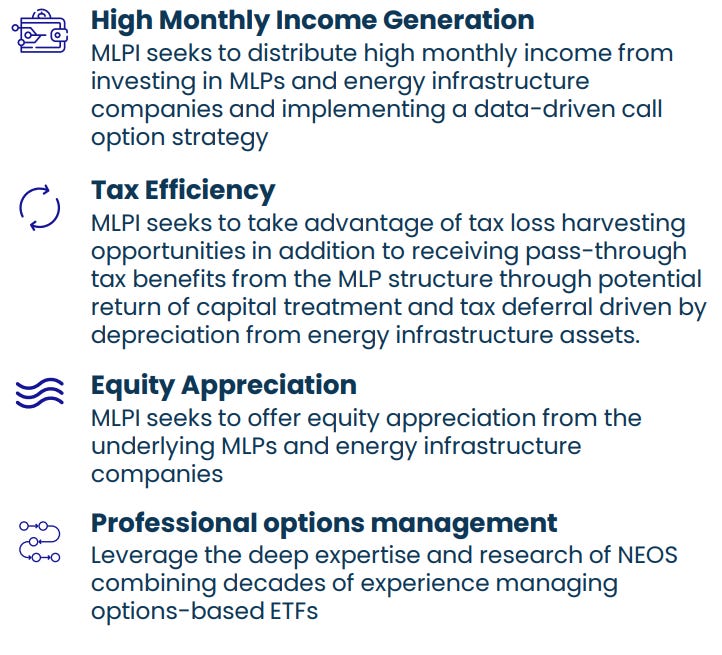
NEOS MLP & Energy Infrastructure High Income ETF MLPI 0.00%↑ holds a portfolio of North American MLPs and energy infrastructure names, layered with a call option overlay to generate monthly income. The ROC treatment here is not just an options trick. MLPs generate return of capital naturally, through depreciation on the underlying pipeline and infrastructure assets, which shields a large portion of the cash flow from being classified as taxable income in the first place. The options overlay adds another layer of income on top, and much of that gets swept into the same ROC treatment.
The fund launched December 17, 2025, and has already grown to roughly $682 million in net assets. Its current distribution rate sits at 14.7%, but its 30-day SEC yield is only 3.44%. That gap is worth sitting with for a moment. The distribution rate measures what the fund is actually paying out. The SEC yield measures income the underlying holdings generate on their own.
The wide spread between the two tells you plainly that most of what you’re collecting each month comes from option premium and return of capital working together, not from traditional investment income. That is the entire point of the structure and should be read as a design feature, not a red flag.
Management fee runs at 0.68%. The fund does not stop at income either, NAV total return sits at 18.14% year to date, meaning holders have collected the monthly payout while also watching the underlying portfolio appreciate.
Here is what you actually own inside the fund. The portfolio is concentrated in large, well known midstream operators rather than smaller, riskier names:
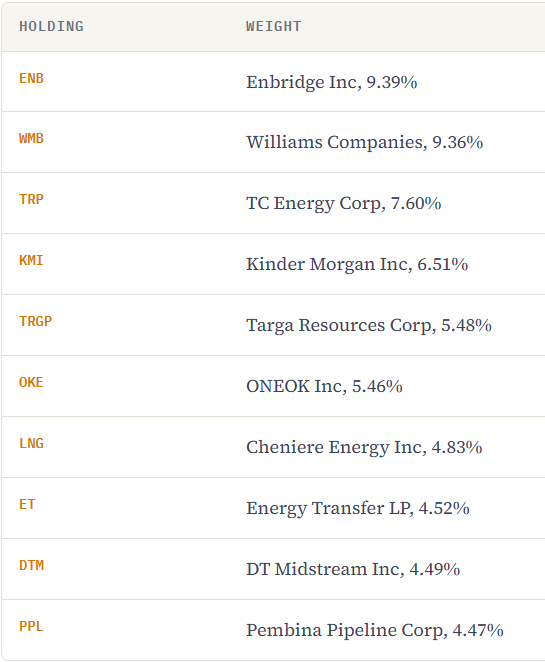
Those ten names alone make up more than 60% of the fund. This is a concentrated bet on the largest pipeline, storage, and LNG operators in North America, not a diversified basket of small midstream names, and most of these companies have their own long histories of stable, contracted cash flow. That concentration is exactly why the depreciation driven ROC treatment works so reliably here, these are capital intensive, asset heavy businesses by design.
I gave this fund a buy rating earlier this year, and the thesis has only gotten stronger since. Energy infrastructure has quietly been one of the best performing sectors in 2026, and the underlying demand story, more natural gas transport, more data center power demand, is not going away anytime soon.
Fund #2: The New One
JPMorgan Nasdaq Equity Premium Yield ETF ROCQ 0.00%↑ launched March 18, 2026, and unlike a lot of income ETFs that stumble into ROC treatment, this one was engineered for it from the start.
👉 ROCQ currently offers a 13.5% dividend yield, paid out on a monthly basis.
The fund invests at least 80% of its assets in Nasdaq listed equities, layering an options overlay on top to generate current yield while still aiming to participate in capital appreciation.
That structural intent, income plus upside rather than income instead of upside, is the same design philosophy behind JPMorgan’s better known JEPI and JEPQ funds. The difference that matters for this article is the tax treatment, JPMorgan built ROCQ specifically to push distributions into return of capital rather than ordinary income.
The fund is genuinely concentrated. It holds 100 securities total, but the top 10 positions alone account for 54.9% of assets. Here is what sits at the top:
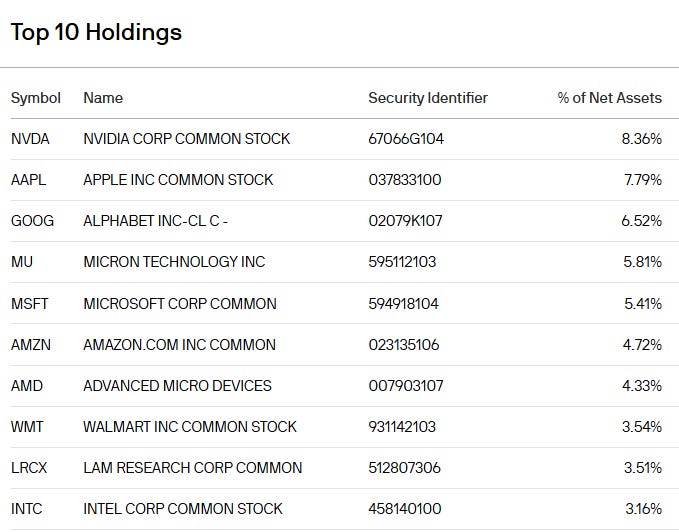
By sector, this is an unmistakably tech heavy fund: roughly 58% Technology, 14% Communication Services, and 11.5% Consumer Cyclical, with everything else a minor sliver. If you already own a broad market dividend or covered call fund, this is a concentrated bet on the same mega cap names driving the Nasdaq, wrapped in a structure designed to defer your tax bill on the income it throws off, not a true diversifier. Management fee runs at 0.35%, notably cheaper than MLPI.
Interestingly, ROCQ has outperformed QQQI 0.00%↑ and JEPQ 0.00%↑ since inception, but the history is short.
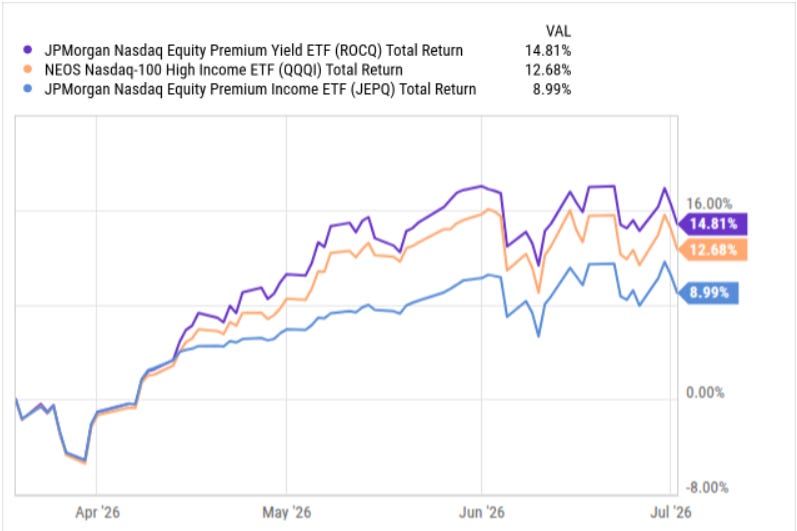
The final tax character for the year will not be confirmed until early 2027, when the fund reports to shareholders. Everything about its ROC treatment right now is a design intention, not yet a proven multi year track record the way MLPI has.
I like what this fund is trying to do, but I have not started a position yet. I want to see a full year of confirmed tax reporting before I put real money behind the intention.
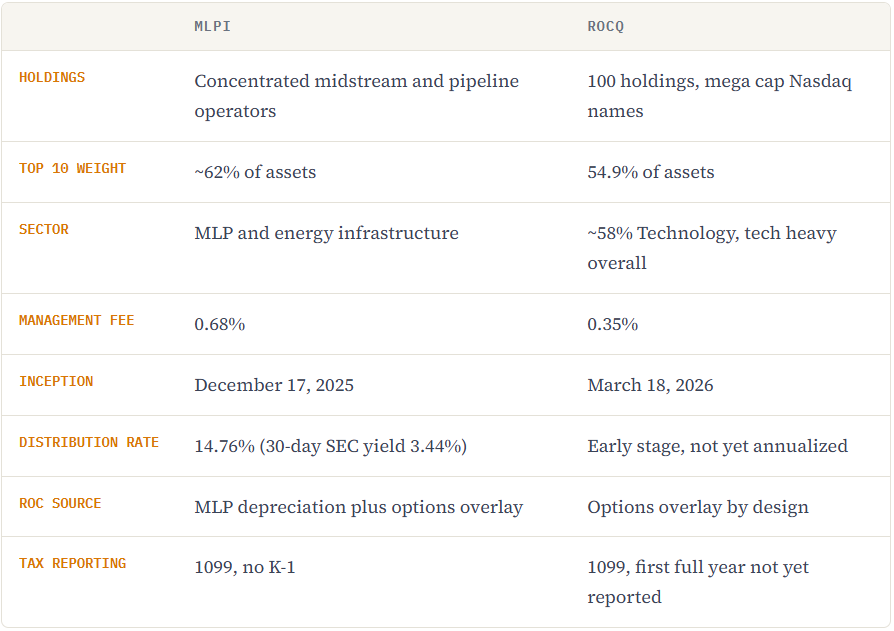
MLPI vs. ROCQ, Side By Side
Where I Stand
I hold MLPI today. I do not yet own ROCQ, and the reason is simple. MLPI has multiple distribution cycles of actual reported ROC behind it, not just a stated intention. ROCQ is a fund I think will keep working, but I want to see it confirm its own tax character with a full year of reporting before I put money behind it.
MLPI does not replace core dividend growth holdings in my portfolio. I think of it as part of the income sleeve, cash flow first, with tax efficiency as the reason I prefer this structure over a plain high yield fund paying everything out as ordinary income. If ROCQ delivers on its design over the next few reporting periods, it earns a real look at that point too.
One more thing worth repeating. Return of capital defers your tax bill. It does not erase it. Track your adjusted cost basis every year, because that bill eventually comes due when you sell, and getting caught off guard by a bigger capital gain than you expected is an easy mistake to make if you were not paying attention along the way.
I added 10 shares of MLPI today thanks for the idea
That last paragraph especially 🙏